

What Readers Should Know
Credit scores can differ because providers use different information, models and update schedules. CIBI encourages consumers to understand the underlying records rather than assume the higher score is more accurate.
Key Takeaways
- Different scores do not automatically indicate an error.
- Scoring models can weigh information differently.
- Data availability and update timing can affect results.
- A credit report and credit score serve different purposes.
- Erroneous CIC report information can be disputed.
CIBI encourages consumers to examine the information and methodology behind the number.
Receiving different credit scores from different providers does not automatically mean one result is wrong—or that the higher number is more accurate.
CIBI Information explains that scoring providers can use different models, weigh factors differently or work with information updated at different times.
A credit score summarizes an assessment of creditworthiness. A credit report contains the underlying account and repayment information used in that assessment. Differences in either the data or the calculation can produce different results.
The same general distinction is recognized by the Consumer Financial Protection Bureau, which explains that scores can vary by reporting source, model, loan product and calculation date. This is general scoring guidance rather than a Philippine lending rule.
In the Philippines, the Credit Information Corporation operates the centralized credit information system, with accredited bureaus such as CIBI providing related credit services.
CIBI says some assessments may also consider obligations involving digital lending, installment financing or buy-now-pay-later services, depending on reporting arrangements and the scoring methodology. Consumers should not assume every provider receives exactly the same information.
A useful comparison therefore starts with the provider, score date, model explanation and underlying credit entries—not simply the largest number.
If information on a CIC credit report appears erroneous, the CIC provides an online dispute process. Its guidance states that filing a dispute is free.
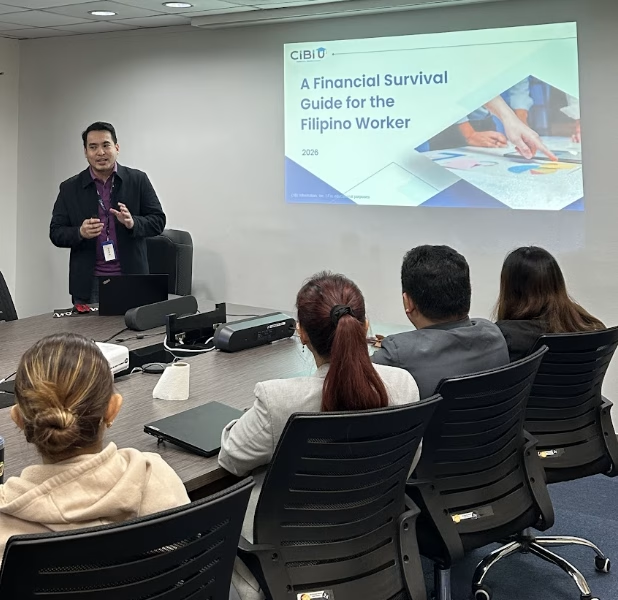
CIBI also offers educational materials through CIBI University, covering credit reporting, borrowing and identity protection.
Understanding the record behind a score can help consumers identify possible errors and make sense of changes. A higher score alone does not explain how a lender will assess a particular application.
Frequently Asked Questions
Is the highest score always the most accurate?
No. Its meaning depends on the model and information used.
Why can the same person receive different scores?
Providers may use different data, scoring methods or calculation dates.
Is a credit report the same as a score?
No. The report contains information; the score summarizes an assessment using relevant data.
Does every installment obligation appear in every assessment?
Not necessarily. Reporting arrangements and methodologies vary.
Is there a fee to dispute erroneous CIC information?
CIC guidance says filing a dispute is free.


Gabriel
Introvert, wanderer, blogger, foodie, a hip-hop music writer, and one of the co-founders of a tech start-up company called GigsManila.
Related Articles
More by category, author, or tags
CIBI Named Among Asia’s Most Influential Companies at Aces Awards 2026
Add as a preferredsource on GoogleFind this story on GoogleCIBI Named Among Asia’s Most Influential Companies at Aces Awards 2026google.com · Opens...

Young Filipinos Want to Plan Ahead, but Daily Costs Get in the Way
Add as a preferredsource on GoogleFind this story on GoogleYoung Filipinos Want to Plan Ahead, but Daily Costs Get in the Waygoogle.com...

Fedex Adds Duty and Tax Payments to Its Philippine Import Tool
Add as a preferredsource on GoogleFind this story on GoogleFedex Adds Duty and Tax Payments to Its Philippine Import Toolgoogle.com · Opens...

SM Investments Earns Great Place to Work Certification for Second Year
Add as a preferredsource on GoogleFind this story on GoogleSM Investments Earns Great Place to Work Certification for Second Yeargoogle.com · Opens...

E3 2026 Connects Event Buyers and Suppliers Through over 500 Business Meetings
Add as a preferredsource on GoogleFind this story on GoogleE3 2026 Connects Event Buyers and Suppliers Through over 500 Business Meetingsgoogle.com ·...
Converge Nine-Month Revenue Rises 3.9% as Enterprise Business Expands
Add as a preferredsource on GoogleFind this story on GoogleConverge Nine-Month Revenue Rises 3.9% as Enterprise Business Expandsgoogle.com · Opens in a...