
Why Immersive Dining Is About More Than What Arrives on the Plate

What Readers Should Know
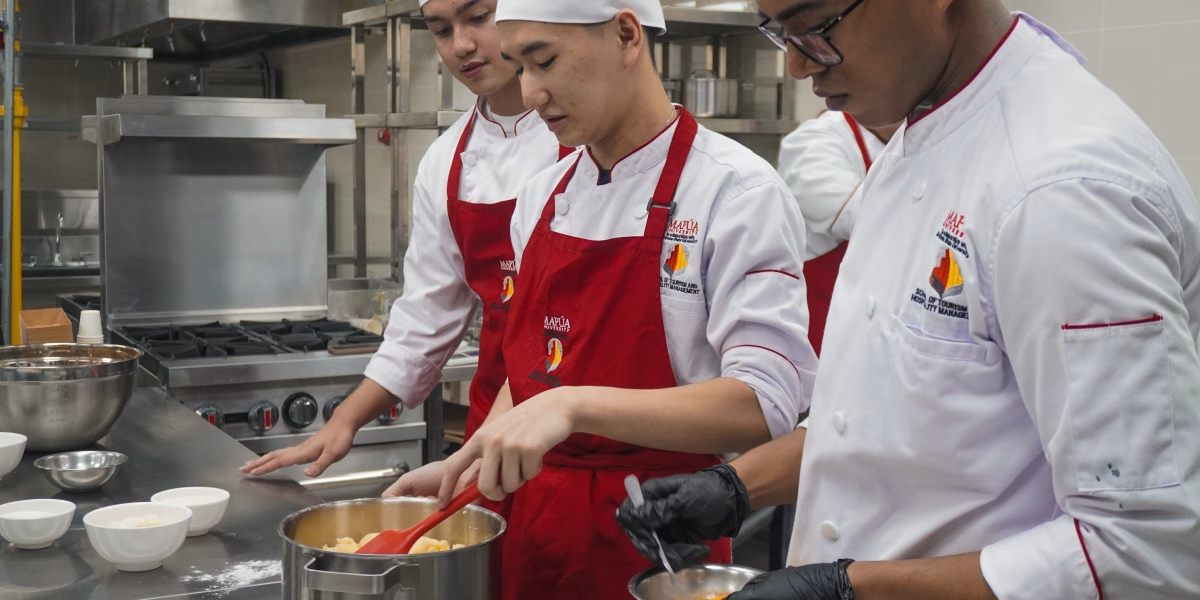
Mapúa professor Ridge Rebello explains how atmosphere, storytelling and guest interaction shape immersive dining. He emphasizes that these elements must complement food quality and genuine hospitality.
Key Takeaways
- Immersive dining engages guests beyond the plate.
- Storytelling can draw on regional food traditions.
- Expensive technology is not always necessary.
- Personalization should respond to real guest needs.
- Food quality remains essential to repeat visits.
Storytelling, atmosphere and interaction can make a meal memorable—but food quality still matters.
A restaurant experience can begin before the first dish reaches the table. Music, lighting, conversation and the story behind a recipe can all shape how diners remember a meal.
These elements are central to immersive dining, according to Mapúa University professor and hospitality industry expert Ridge Rebello.
The approach brings food together with atmosphere, design, storytelling and interaction. Open kitchens, tableside preparation and themed menus can give guests a more active role in the experience.
Rebello explains that restaurants are looking for ways to distinguish themselves in a crowded market. Diners still expect quality food, cleanliness, value and attentive service, but some also want an experience that feels personal.
That does not necessarily require projection systems or expensive technology. A restaurant can build an experience around regional heritage, explain a dish’s origins or invite guests to participate in part of its preparation.
For Filipino restaurants, this creates room to tell stories about local ingredients, family traditions and community food practices.
The challenge is making those details relevant rather than decorative. An engaging presentation cannot compensate for food that disappoints or service that feels rehearsed.
Rebello also points to the importance of understanding preferences, dietary needs and special occasions. Personalization works best when it helps guests feel comfortable and considered.
For hospitality students and restaurant operators, immersive dining brings creative and operational skills together. The experience needs to be distinctive enough to remember and consistent enough to deliver.
The takeaway is simple: a memorable restaurant tells a coherent story, with the food and genuine hospitality at its center.
Frequently Asked Questions
What is immersive dining?
A dining approach combining food with atmosphere, storytelling and interactive elements.
Does it require advanced technology?
No. Heritage stories, tableside preparation and thoughtful design can contribute.
How can Filipino restaurants apply it?
By connecting dishes with local ingredients, traditions and regional identity.
Can presentation replace good food?
No. Rebello stresses the need to balance experience with food quality.
What skills do hospitality professionals need?
Creativity, technical ability, guest understanding and business judgment.


Gabriel
Introvert, wanderer, blogger, foodie, a hip-hop music writer, and one of the co-founders of a tech start-up company called GigsManila.
Related Articles
More by category, author, or tags
Starbucks Brings Back Holiday Favorites and Introduces Mochi Mallow Drinks
Add as a preferredsource on GoogleFind this story on GoogleStarbucks Brings Back Holiday Favorites and Introduces Mochi Mallow Drinksgoogle.com · Opens in...

Flow Earns First Michelin Star as All Nine Previous Starred Restaurants Retain Honors
Add as a preferredsource on GoogleFind this story on GoogleFlow Earns First Michelin Star as All Nine Previous Starred Restaurants Retain Honorsgoogle.com...

Pizza Hut Mybox Combines Personal Pizza and Sides in Three Sets from ₱279
Add as a preferredsource on GoogleFind this story on GooglePizza Hut Mybox Combines Personal Pizza and Sides in Three Sets from ₱279google.com...

Forest Cloud Opens Its First Philippine Store with Six-Gram Matcha Lattes
Add as a preferredsource on GoogleFind this story on GoogleForest Cloud Opens Its First Philippine Store with Six-Gram Matcha Lattesgoogle.com · Opens...

Subway and Purefoods Bring Holiday Ham to a New Sandwich
Add as a preferredsource on GoogleFind this story on GoogleSubway and Purefoods Bring Holiday Ham to a New Sandwichgoogle.com · Opens in...

5 Torikizoku Yakitori Favorites to Try on Your Next Japanese Food Run
Add as a preferredsource on GoogleFind this story on Google5 Torikizoku Yakitori Favorites to Try on Your Next Japanese Food Rungoogle.com ·...