
Nathan Fielder and Lance Oppenheim Explore the Limits of Documentary in You Can See Everything

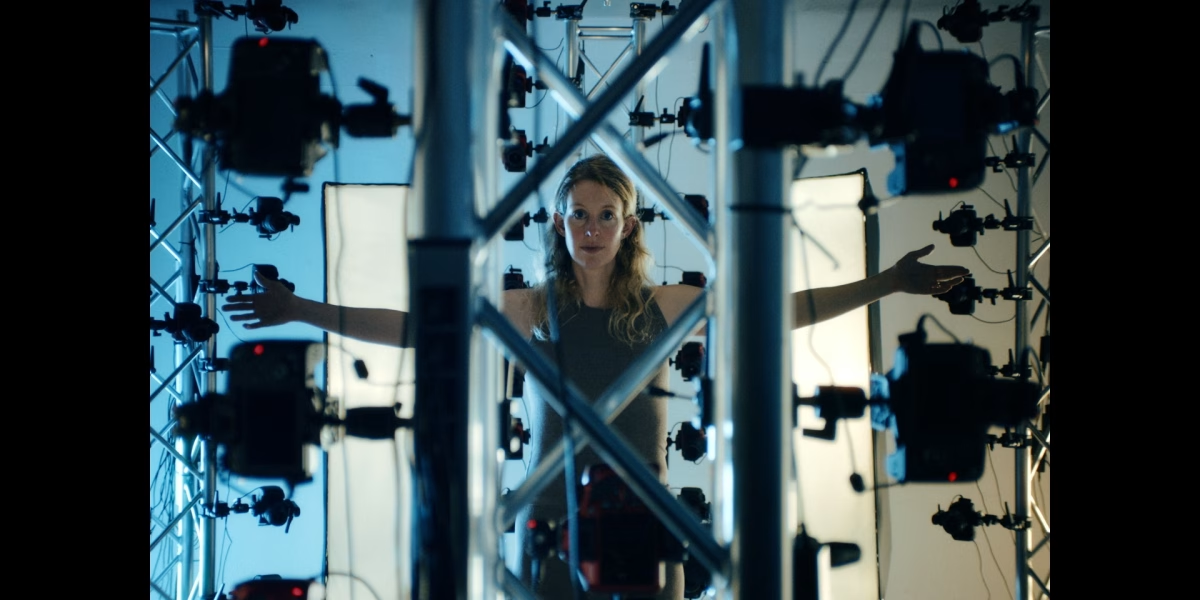
What Readers Should Know
Nathan Fielder and Lance Oppenheim discuss their approach to filming Elizabeth Holmes in You Can See Everything. The documentary examines how questioning, observation, and the presence of cameras shape the filmmakers’ encounters.
Key Takeaways
- Fielder initially intended to remain behind the camera.
- His questions eventually made him part of the footage.
- The documentary follows Holmes before her imprisonment.
- Both directors explore how cameras influence the reality they record.
- The supplied release announces a November 18 Philippine opening.
Nathan Fielder initially planned to stay behind the camera while filming Elizabeth Holmes for You Can See Everything. That approach changed as he and co-director Lance Oppenheim considered how to question the account unfolding in front of them.
According to Columbia Pictures’ supplied release, the documentary follows the filmmakers as Holmes invites them into her home during the final days before her imprisonment.
For Fielder, whose work includes The Rehearsal and Nathan for You, the project raised a practical concern: how to document Holmes and her partner Billy Evans without simply giving them an uninterrupted platform.
His questions and interjections gradually became part of the footage. As camera operators began turning toward him, his presence shifted from something outside the frame to an element of the documentary itself.
Filming under a deadline
The production took place during a period with a fixed endpoint: Holmes was preparing to leave her family and go to prison.
Fielder says in the release that he repeatedly offered to stop filming if Holmes wanted to spend the remaining time privately with her family. According to his account, Holmes and Evans wanted the project to continue.
Once Fielder appeared on camera, his uncertainty also became visible. He describes trying to understand the encounters as they happened, including whether he was being manipulated.
One example involved his discomfort maintaining eye contact with Holmes. Rather than turning away, he began considering what might happen if he remained in the moment.
When the camera becomes part of the story
For both directors, the project involved examining how filming can influence the behavior it is meant to capture.
Fielder describes acknowledging that influence as part of an honest approach to nonfiction. Oppenheim, meanwhile, says their aim was to let viewers observe the filmmakers’ experiences and reach their own conclusions.
That tension gives the documentary a second subject beyond Holmes: the difficulty of separating observation, performance, and interpretation when a camera is present.
You Can See Everything is announced to arrive in Philippine cinemas on November 18, according to the supplied release.
Watch the trailer supplied by Columbia Pictures:
Frequently Asked Questions
Who directs You Can See Everything?
Nathan Fielder and Lance Oppenheim.
Who is the documentary about?
It follows Elizabeth Holmes and the filmmakers’ encounters with her before her imprisonment.
Does Nathan Fielder appear on camera?
Yes. The release explains that his questioning gradually became part of the filmed material.
What filmmaking issue does it explore?
How observation, questioning, and cameras can affect the events being documented.
When is the Philippine release?
Columbia Pictures’ supplied announcement lists November 18.


Gabriel
Introvert, wanderer, blogger, foodie, a hip-hop music writer, and one of the co-founders of a tech start-up company called GigsManila.
Related Articles
More by category, author, or tags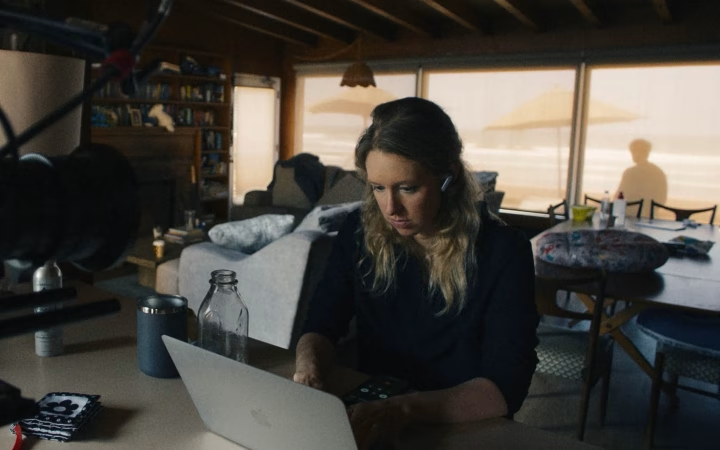
“You Can See Everything” Examines Elizabeth Holmes Before Prison
Add as a preferredsource on GoogleFind this story on Google“You Can See Everything” Examines Elizabeth Holmes Before Prisongoogle.com · Opens in a...

“Jumanji: Open World” Trailer Sends the Game’s Chaos into Real Life
Add as a preferredsource on GoogleFind this story on Google“Jumanji: Open World” Trailer Sends the Game’s Chaos into Real Lifegoogle.com · Opens...

David Leitch’s “How to Rob a Bank” Opens in Philippine Cinemas November 11
Add as a preferredsource on GoogleFind this story on GoogleDavid Leitch’s “How to Rob a Bank” Opens in Philippine Cinemas November 11google.com...

“You Can See Everything” Opens in Philippine Cinemas on November 18
Add as a preferredsource on GoogleFind this story on Google“You Can See Everything” Opens in Philippine Cinemas on November 18google.com · Opens...

Bini Wins Favorite Global Music Star at 2026 Kids’ Choice Awards
Add as a preferredsource on GoogleFind this story on GoogleBini Wins Favorite Global Music Star at 2026 Kids’ Choice Awardsgoogle.com · Opens...

Carmelle Wins First Eurovision Song Contest Asia with “Sobra-Sobra”
Add as a preferredsource on GoogleFind this story on GoogleCarmelle Wins First Eurovision Song Contest Asia with “Sobra-Sobra”google.com · Opens in a...